
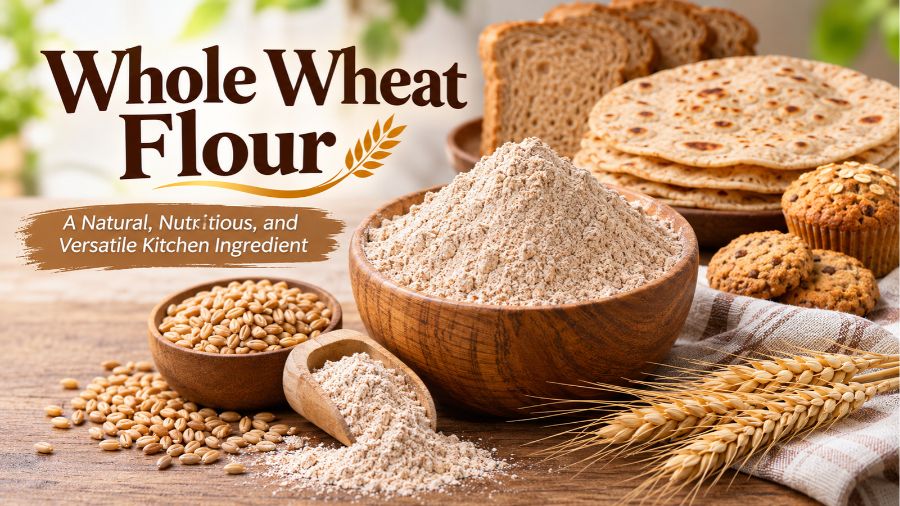
Whole Wheat Flour is one of the most widely used ingredients in kitchens around the world, valued for its natural nutrients, rich flavor, and versatility. Made by grinding the entire wheat grain, it offers more dietary fiber and naturally occurring nutrients than many refined flour alternatives. Whether you use it to prepare everyday chapatis, homemade bread, pancakes, or baked treats, this flour provides a simple way to include whole grains in your regular diet.
What makes whole wheat flour particularly interesting is that it retains all three parts of the wheat kernel: bran, germ, and endosperm. Each component contributes something different, from dietary fiber to protein, vitamins, minerals, and carbohydrates. This combination makes it a popular choice among people who want to make more nutritious food choices without completely changing their cooking habits.
However, choosing the right flour involves more than simply picking a brown-colored product from a supermarket shelf. Understanding its nutritional composition, different varieties, cooking applications, and storage requirements can help you get better results in the kitchen.
What Is Whole Wheat Flour?
Whole wheat flour is a type of flour produced by grinding the entire wheat kernel into a fine or moderately coarse powder. Unlike refined white flour, which is made primarily from the endosperm, whole wheat flour retains the bran, germ, and endosperm in their natural proportions.
The bran is the outer protective layer of the wheat grain and contains most of its dietary fiber. The germ is the innermost part, providing natural oils, vitamins, minerals, and other beneficial compounds. The endosperm makes up most of the kernel and supplies carbohydrates and protein.
Because these three components remain in the finished product, whole wheat flour generally has a darker appearance, a slightly nutty flavor, and a more substantial texture than refined flour. It is commonly used in traditional cooking, home baking, and commercial food production.
In countries such as Pakistan and India, it is commonly known as whole wheat atta and serves as an everyday ingredient for preparing roti, chapati, and paratha.
How Is Whole Wheat Flour Made?
The production of whole wheat flour begins with harvesting mature wheat grains from agricultural fields. Once harvested, the wheat passes through cleaning and preparation processes to remove unwanted materials such as dust, stones, damaged grains, and other impurities.
After cleaning, the wheat kernels are sent through milling equipment, which grinds them into flour. Depending on the milling method, the resulting flour can have a fine, medium, or relatively coarse texture.
One important feature of whole wheat flour production is that the bran, germ, and endosperm are retained. Some commercial milling processes temporarily separate these components before recombining them in their original proportions.
The finished flour is then inspected, packaged, and prepared for distribution. Proper packaging and storage are particularly important because the natural oils present in the wheat germ can gradually affect freshness.
Nutritional Value of Whole Wheat Flour
Whole wheat flour provides several nutrients that contribute to a balanced eating pattern. It contains carbohydrates, plant-based protein, dietary fiber, and small amounts of naturally occurring fats. It also supplies various vitamins and minerals.
Its nutritional composition can differ depending on the wheat variety, growing conditions, milling process, and serving size.
Here is an approximate nutritional breakdown per 100 grams:
| Nutrient | Approximate Amount |
|---|---|
| Calories | 340 kcal |
| Carbohydrates | 69 g |
| Protein | 12.7 g |
| Total Fat | 2.4 g |
| Dietary Fiber | 10–11 g |
| Iron | 3–4 mg |
| Magnesium | 130–140 mg |
| Potassium | 350–365 mg |
| Zinc | 2.5–3 mg |
These figures are approximate and may vary between products. Whole wheat flour also contains B vitamins, including thiamin, riboflavin, and niacin, which help the body perform normal metabolic functions.
Its combination of fiber, carbohydrates, and protein makes it a useful ingredient for preparing satisfying everyday meals.
Health Benefits of Whole Wheat Flour
Whole wheat flour offers several nutritional advantages when included in a balanced diet. Its natural fiber, vitamins, minerals, and plant compounds make it a valuable alternative to heavily refined grain products.
1. Supports Better Digestive Health
One of the most recognized nutritional advantages of whole wheat flour is its dietary fiber content. Fiber supports normal digestive function by adding bulk to stool and helping maintain regular bowel movements.
People who consume sufficient fiber through whole grains, vegetables, fruits, and legumes may experience better bowel regularity. Increasing fiber intake gradually and drinking enough water can also help reduce digestive discomfort.
Including whole wheat roti, whole grain bread, or other fiber-rich foods in everyday meals is a practical way to improve overall dietary fiber consumption.
2. Helps Maintain Fullness
Whole wheat flour contains dietary fiber and complex carbohydrates, which can contribute to a more satisfying meal. Foods prepared with whole grains may help people feel full for longer compared with some refined grain alternatives.
This can be useful for individuals trying to manage their eating habits and avoid unnecessary snacking between meals.
However, the overall effect also depends on portion sizes, preparation methods, and the other foods included in a meal.
3. Supports Heart Health
Whole grains are commonly associated with a heart-friendly eating pattern. Whole wheat flour contains fiber and naturally occurring plant compounds that contribute to its nutritional value.
Replacing some refined grain products with whole grain alternatives may support healthier cholesterol levels and overall cardiovascular health.
For the best results, whole wheat flour should be combined with other nutritious foods, including fruits, vegetables, nuts, seeds, and healthy sources of protein.
4. Helps With Blood Sugar Management
Whole wheat flour generally contains more dietary fiber than refined white flour. Fiber can influence how quickly carbohydrates are digested and absorbed, potentially helping moderate changes in blood glucose after meals.
Nevertheless, whole wheat flour is still a carbohydrate-rich food. It can raise blood sugar levels, especially when consumed in large portions.
People managing diabetes should consider serving sizes, meal combinations, and their individual glucose responses rather than assuming that every whole wheat product is automatically suitable without restrictions.
5. Provides Important Vitamins and Minerals
Another advantage of whole wheat flour is its natural mineral and vitamin content. It supplies magnesium, iron, zinc, phosphorus, and several B vitamins.
Magnesium contributes to normal muscle and nerve function, while iron plays an important role in oxygen transportation throughout the body. Zinc supports normal immune function and various cellular processes.
These nutrients make whole wheat flour a useful component of a varied and balanced diet.
6. Contributes to Long-Term Nutritional Balance
Choosing whole grain foods more frequently can improve the overall nutritional quality of everyday meals. Whole wheat flour provides several components of the original wheat grain that are reduced or removed during conventional refining.
Although no single ingredient can guarantee better health, regularly including whole grains alongside other nutritious foods can contribute to healthier long-term eating habits.
Whole Wheat Flour vs. White Flour
Whole wheat flour and white flour come from the same basic agricultural ingredient, but their processing methods create important nutritional and functional differences.
Whole wheat flour retains the entire wheat kernel, while refined white flour is produced by removing the bran and germ, leaving primarily the starchy endosperm.
This difference affects their fiber content, appearance, flavor, texture, and storage characteristics.
| Feature | Whole Wheat Flour | White Flour |
|---|---|---|
| Grain components | Bran, germ, and endosperm | Mainly endosperm |
| Color | Light to medium brown | White or cream |
| Fiber content | Generally higher | Generally lower |
| Flavor | Slightly nutty | Mild and neutral |
| Texture | More substantial | Fine and smooth |
| Baking results | Often denser | Usually lighter |
| Natural oils | Higher | Lower |
| Shelf life | Generally shorter | Generally longer |
Whole wheat flour is generally the more nutrient-rich choice because it preserves more of the wheat kernel. White flour, however, remains useful in recipes that require a particularly light texture.
The best choice depends on your nutritional priorities and the type of food you want to prepare.
Different Types of Whole Wheat Flour
Whole wheat flour is not always identical in appearance, texture, or baking performance. Different wheat varieties and milling techniques produce flour with different characteristics.
Traditional Whole Wheat Flour
Traditional whole wheat flour is produced from common wheat varieties and retains all three components of the grain. It usually has a light brown color and a noticeable wheat flavor.
It is suitable for everyday cooking, chapatis, bread, pancakes, and several homemade baked goods.
White Whole Wheat Flour
White whole wheat flour is made from a naturally lighter-colored variety of wheat. Despite its lighter appearance, it still contains the bran, germ, and endosperm.
It generally has a milder flavor than traditional whole wheat flour, making it useful for people who prefer a less pronounced wheat taste.
Stone-Ground Whole Wheat Flour
Stone-ground whole wheat flour is produced using traditional milling equipment that grinds wheat between stone surfaces.
Its texture can vary depending on the milling process, and it may have a slightly coarse consistency. Many people prefer it for traditional flatbreads because of its distinctive texture and flavor.
Fine Whole Wheat Flour
Fine whole wheat flour is ground into smaller particles, creating a smoother texture. It can be useful for baking cakes, muffins, cookies, and other recipes where a more uniform flour consistency is preferred.
Although the particle size differs, properly produced fine whole wheat flour still retains the whole grain components.
Common Uses of Whole Wheat Flour
Whole wheat flour is a versatile kitchen ingredient that can be used in traditional recipes as well as modern cooking. Its mild nutty flavor makes it suitable for both sweet and savory dishes.
Roti and Chapati
In Pakistani and Indian households, whole wheat flour is commonly used to prepare roti and chapati. The flour is mixed with water and kneaded into a soft dough before being divided into small portions, rolled, and cooked on a hot griddle.
It produces a satisfying flatbread that pairs well with vegetables, lentils, meat dishes, and other traditional meals.
Homemade Bread
Whole wheat flour is widely used for preparing homemade bread. It provides a richer wheat flavor and a denser texture than conventional white bread.
For a softer loaf, some bakers combine whole wheat flour with bread flour. This creates a balance between whole grain nutrition and the lighter texture associated with refined flour.
Pancakes and Waffles
Whole wheat flour can be used to prepare pancakes and waffles for breakfast. It gives these foods a slightly nutty taste and a more substantial texture.
Adding milk, eggs, yogurt, or other suitable ingredients can help create a softer batter.
Cookies and Muffins
Many homemade cookies and muffins can be prepared with whole wheat flour. It adds flavor and provides more fiber than recipes made entirely with refined flour.
Because it absorbs moisture differently, some recipes may require adjustments to liquid quantities to achieve the desired consistency.
Pizza Dough
Whole wheat flour can also be used for homemade pizza dough. It creates a distinctive flavor and a slightly denser crust.
People who prefer a lighter pizza base can combine whole wheat flour with refined bread flour instead of using only whole wheat flour.
Paratha and Other Flatbreads
Whole wheat flour is an important ingredient in traditional parathas and other flatbreads. It can be combined with vegetables, herbs, spices, or other fillings to create different varieties.
Its ability to form an elastic dough makes it suitable for numerous everyday cooking applications.
How to Choose Good-Quality Whole Wheat Flour
Selecting good-quality flour is important for achieving better cooking results and maintaining freshness. While different products may have slightly different colors and textures, several basic checks can help you make a sensible choice.
First, examine the ingredient list. If you want genuine whole wheat flour, look for products that clearly identify whole wheat as the main ingredient. Ideally, choose a product labeled 100% whole wheat flour.
Next, check the packaging date and best-before information. Fresh flour generally offers better flavor, particularly when used for everyday flatbreads.
Pay attention to the appearance and smell as well. Whole wheat flour naturally has a mild wheat aroma and a light brown color, although the exact shade depends on the wheat variety and milling method.
Finally, choose products sold in properly sealed packaging. Damaged packaging can expose flour to moisture, insects, and other contaminants.
How to Store Whole Wheat Flour Properly
Proper storage is essential because whole wheat flour contains natural oils from the wheat germ. These oils can gradually become rancid, especially when the flour is exposed to heat, oxygen, and moisture.
For everyday use, keep the flour in a clean, airtight container. Store it in a cool and dry location, away from direct sunlight, cooking heat, and moisture.
If you purchase flour in larger quantities, refrigeration can help maintain its freshness for a longer period. Freezing is another useful option for extended storage, provided the flour is packed securely in an airtight container or freezer-safe bag.
Always use a clean and completely dry spoon when handling flour. Before preparing food, check for unusual odors, insects, discoloration, or signs of moisture.
It is also important to remember that dry flour is not automatically free from harmful microorganisms. Avoid tasting raw flour or uncooked dough, and cook or bake it thoroughly before consumption.
Is Whole Wheat Flour Suitable for Everyday Consumption?
Yes, whole wheat flour can be included in everyday meals as part of a balanced diet. It provides energy through carbohydrates while supplying fiber, protein, and several important micronutrients.
For many households, replacing some refined flour products with whole wheat alternatives is a straightforward way to increase whole grain consumption.
However, individual nutritional requirements can vary. People with celiac disease or wheat allergies need to avoid ordinary whole wheat flour because it contains wheat proteins, including gluten.
People managing diabetes should also consider carbohydrate portions, while individuals with digestive sensitivities may need to adjust their fiber intake gradually.
The important point is to focus on overall dietary balance rather than relying on one ingredient as a complete solution for better health.
Tips for Cooking and Baking With Whole Wheat Flour
Working with whole wheat flour can require a few adjustments, particularly when preparing baked goods. Its bran particles absorb moisture and can affect the texture of dough.
Allowing freshly mixed dough to rest for a short period can give the flour more time to absorb water. This often improves handling and produces a more consistent result.
When preparing bread, adding liquid gradually helps prevent the dough from becoming too dry. Whole wheat flour may require slightly more moisture than refined flour, depending on the recipe.
For lighter baked goods, consider replacing part of the refined flour with whole wheat flour rather than making a complete substitution immediately.
Avoid adding too much flour during kneading, as this can make bread and flatbreads unnecessarily hard.
With a little experimentation, whole wheat flour can produce excellent results in many familiar recipes.
Conclusion
Whole wheat flour is a practical and versatile ingredient that combines traditional cooking value with useful nutritional benefits. By retaining the bran, germ, and endosperm, it provides more natural dietary fiber and several essential nutrients than conventional refined white flour.
From everyday roti and chapati to homemade bread, pancakes, cookies, and pizza dough, its applications cover a wide range of cooking styles. It also offers a simple way to include more whole grains in regular meals without making major changes to familiar recipes.
Choosing fresh, properly labeled flour and storing it correctly can help preserve its quality and flavor. Although portion sizes and individual dietary requirements still matter, whole wheat flour remains a nutritious option for people looking to build more balanced eating habits.
FAQs
1. Is whole wheat flour healthier than regular white flour?
Generally, yes. Whole wheat flour retains the bran, germ, and endosperm, providing more dietary fiber and naturally occurring nutrients than refined white flour. It is a useful choice for people looking to include more whole grains in their diet.
2. What is whole wheat flour called in Pakistan?
In Pakistan, whole wheat flour is commonly called Gandum Ka Atta. It is widely used to prepare roti, chapati, paratha, and other traditional foods. Most households use it as a regular ingredient in everyday cooking.
3. Does whole wheat flour contain gluten?
Yes. Whole wheat flour contains gluten because it is made from wheat. Gluten helps dough develop its structure and elasticity, making it useful for preparing bread and other baked products. However, it is unsuitable for people with celiac disease.
4. Can whole wheat flour help with weight management?
Whole wheat flour may support weight management because its dietary fiber can contribute to fullness and help reduce unnecessary snacking. However, it still contains calories and carbohydrates, so portion control and overall eating habits remain important.
5. How long does whole wheat flour stay fresh?
Its freshness depends on the milling method, packaging, temperature, and storage conditions. Whole wheat flour generally has a shorter shelf life than refined flour because it contains natural oils from the wheat germ. Keeping it in an airtight container in a cool, dry place or refrigerating it can help maintain quality.