
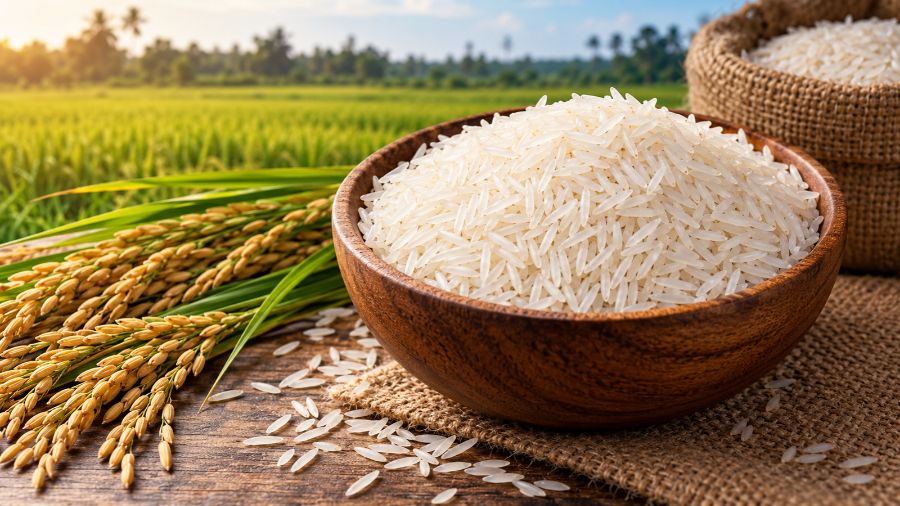
Banskathi rice is a traditional rice variety that attracts attention among people who appreciate regional grains, everyday cooking, and the distinctive food culture of eastern India. Known for its association with West Bengal, this rice is worth exploring for its culinary uses, grain characteristics, and place in traditional Bengali meals. Whether you are discovering it for the first time, comparing it with other rice varieties, or looking for a suitable grain for your kitchen, understanding Banskathi rice can help you make a more informed choice.
Rice is a staple food across many Asian countries, but not every variety offers the same cooking experience. Differences in grain length, starch content, aroma, processing, and growing conditions can influence how rice behaves in a pot. Banskathi rice is particularly interesting because its name is associated with traditional regional rice varieties rather than the internationally familiar Basmati category. Learning about its characteristics, preparation methods, and potential uses provides a clearer picture of what makes this rice worth considering.
What Is Banskathi Rice?
Banskathi rice is a traditional rice variety associated with West Bengal, India, where rice has long played a central role in local agriculture and cuisine. The region has a rich history of cultivating different rice varieties suited to its climate, soil conditions, seasonal rainfall, and local food preferences. Banskathi belongs to this broader tradition of regional rice cultivation and is discussed primarily in connection with Bengali food culture.
The characteristics of rice sold under this name can vary according to the specific variety, cultivation practices, milling process, and commercial grade. Consequently, buyers should not assume that every product labelled Banskathi rice has identical grain dimensions, fragrance, or cooking properties. Checking the product’s origin and physical appearance is a practical way to understand what a particular seller is offering.
Origin and Agricultural Background of Banskathi Rice
West Bengal is one of India’s important rice-producing regions, supported by a combination of monsoon rainfall, river systems, fertile alluvial soils in many areas, and a long-established agricultural tradition. Rice cultivation has shaped the region’s food habits for generations, with different varieties developed or maintained to suit local conditions and household requirements.
Traditional rice varieties often remain important because they reflect local farming knowledge and culinary preferences. Farmers may select varieties based on crop duration, grain quality, suitability for particular growing conditions, and the characteristics consumers prefer. Banskathi rice is associated with this regional agricultural heritage, although the precise cultivation history and characteristics of individual products should be verified rather than assumed from the name alone.
As interest in traditional foods grows, regional rice varieties can attract attention from consumers seeking alternatives to heavily marketed commercial rice. Their continued availability, however, depends on factors such as seed preservation, farmer demand, cultivation economics, processing facilities, and access to reliable markets.
What Does Banskathi Rice Look Like?
The appearance of Banskathi rice depends on the particular product being sold. Grain length, width, colour, and uniformity can differ because rice varieties are not always marketed consistently across regions or suppliers. Some products may contain slender grains, while others may look different depending on the specific variety and milling grade.
Uncooked white rice generally has a pale, polished appearance, whereas less heavily milled rice can retain more of its outer layers. A clean, well-processed product should have a relatively uniform appearance, without excessive broken grains, visible insects, unusual discolouration, or foreign material.
When buying Banskathi rice, examine the packaging and grain quality rather than relying exclusively on photographs or promotional descriptions. A seller’s claims about grain length, aroma, or cooking performance should ideally be supported by a sample or clear product specifications. These checks are especially useful when purchasing an unfamiliar regional variety for the first time.
Taste, Aroma, and Cooking Texture
Taste and texture are important considerations when choosing any rice variety. Banskathi rice may be described differently by individual sellers, and its flavour and aroma can depend on the specific product, freshness, storage conditions, and processing method. It is therefore better to evaluate a particular batch than to expect every product carrying the same name to have identical qualities.
The final texture also depends on how the rice is prepared. Water quantity, soaking time, cooking temperature, and the condition of the grains can all affect whether cooked rice becomes fluffy, soft, firm, or sticky. Rice that receives too much water or excessive stirring may become softer than intended, regardless of its variety.
For the best results, begin with a small batch and adjust the cooking method according to the rice’s behaviour. This simple approach helps you identify the water ratio and cooking time that produce the texture you prefer.
Nutritional Value of Banskathi Rice
Banskathi rice provides carbohydrates, which are an important source of energy for the body. Like other rice varieties, its nutritional composition depends partly on whether it is white, brown, parboiled, or processed in another way. Milling removes portions of the outer grain layers, affecting the amount of fibre and certain micronutrients retained in the finished product.
White rice is generally easier to digest for many people than some higher-fibre whole grains, although individual responses differ. It can be part of a balanced diet when served in appropriate portions alongside vegetables, legumes, dairy products, eggs, fish, or other protein-rich foods.
Rice should not be treated as a complete source of nutrition on its own. Its contribution to a healthy diet depends on the overall meal, portion size, preparation method, and a person’s nutritional needs. People managing blood glucose levels may also benefit from paying attention to serving sizes and combining rice with fibre-rich foods and protein.
Potential Benefits of Including Banskathi Rice in Your Diet
One practical benefit of Banskathi rice is that it offers another option for people who enjoy exploring regional foods. Choosing different traditional grains can introduce variety into everyday meals and encourage greater interest in local culinary traditions. However, its specific health advantages should not be exaggerated without reliable nutritional information for the particular product.
Rice is naturally low in fat when cooked without added oils or rich sauces. It can provide energy for daily activities and works well as a base for meals containing vegetables, lentils, beans, meat, or fish. These combinations can make a meal more nutritionally balanced than eating a large serving of rice alone.
Another advantage is its versatility in home cooking. Depending on the grain’s actual properties, it may work for simple steamed rice, rice served with curries, or selected traditional dishes. Testing a small quantity before preparing a large meal helps determine whether the variety suits your preferences.
How to Cook Banskathi Rice Properly
Cooking Banskathi rice successfully begins with understanding the condition of the grains. Newly purchased rice may behave differently from older rice, and different milling methods can affect how quickly it absorbs water. Rather than following a fixed ratio without adjustment, use a basic method and observe the results.
First, measure the rice according to the number of people you plan to serve. Rinse it gently in clean water if needed to remove loose surface starch and dust. Avoid vigorous rubbing, which can break delicate grains. If the rice benefits from soaking, leave it in water for approximately 15 to 20 minutes, then drain it before cooking.
Add the rice to a pot with fresh water, using an initial ratio appropriate for ordinary white rice and adjusting it according to the product’s instructions. Bring the water to a boil, then reduce the heat, cover the pot, and allow the rice to cook gently. Check the texture near the end rather than repeatedly stirring it.
Once the grains are tender and the water has been absorbed, turn off the heat and leave the covered pot undisturbed for around five minutes. Fluff the rice gently with a fork or rice paddle before serving. If the first batch turns out too firm or too soft, adjust the water quantity and cooking time next time.
Popular Ways to Use Banskathi Rice
Banskathi rice can be considered for several everyday dishes, provided its grain characteristics suit the recipe. One straightforward option is steamed rice served with lentils, vegetables, fish curry, or meat dishes. This preparation allows the flavour and texture of the rice itself to remain noticeable without requiring complicated ingredients.
It may also be suitable for simple vegetable rice, depending on how well the grains hold their shape during cooking. In such dishes, ingredients such as onions, peas, carrots, whole spices, and fresh herbs can add flavour. The amount of water should be controlled carefully to avoid producing an overly soft mixture.
Pulao is another possibility when the particular rice holds its shape and develops a pleasant texture. However, not every product sold as Banskathi rice will perform equally well in recipes that traditionally require long, separate grains. For biryani, where grain length and texture are especially important, test the rice before using it for a special occasion.
Rice pudding and other soft rice preparations may also be options if the variety releases enough starch during cooking. Ultimately, the best use depends on the actual product rather than the name alone.
Banskathi Rice vs Basmati Rice
Banskathi rice and Basmati rice should not be treated as interchangeable names. Basmati is a distinct aromatic rice category associated particularly with the Indian subcontinent and recognised for its characteristic fragrance and grain elongation during cooking. Banskathi, by contrast, is a name associated with traditional regional rice in West Bengal.
The differences between the two can affect their suitability for particular recipes. Basmati is widely used for dishes where long, separate grains and a distinctive aroma are desirable. Banskathi rice may be chosen for regional cooking or everyday meals, depending on the characteristics of the specific product.
Neither variety is automatically better for every purpose. A useful comparison considers price, freshness, grain quality, aroma, cooking performance, and personal preference. If you are choosing rice for biryani, for example, grain elongation and separation may matter more than the regional identity of the variety. For an ordinary family meal, affordability and the preferred cooked texture may be more important.
How to Choose Good-Quality Banskathi Rice
Buying good-quality Banskathi rice requires more than checking the product name. Start by selecting a seller who provides clear information about the variety, place of origin, processing method, and packaging date. A transparent product description makes it easier to distinguish a traditional regional variety from a generic rice product marketed under a familiar regional name.
Inspect the grains for excessive breakage, dust, insects, moisture, and unusual smells. Some broken grains are normal in commercially milled rice, but a high proportion may affect the cooking result. The packaging should be intact and suitable for protecting the rice against moisture and contamination.
Price is another factor, but the cheapest option is not necessarily the best value. Compare the cost per kilogram, the usable quantity after cooking, and the quality of the grains. If you have never tried Banskathi rice before, purchasing a small package is a sensible way to assess its taste and cooking performance before committing to a larger quantity.
Storage Tips for Keeping Banskathi Rice Fresh
Proper storage helps maintain the quality of Banskathi rice after purchase. Keep uncooked rice in a clean, dry, airtight container and store it away from direct sunlight, damp areas, and strong-smelling substances. Moisture can encourage mould growth and attract pests, making dry storage particularly important in warm or humid environments.
Check the rice occasionally for insects, clumping, discolouration, or unusual odours. Avoid adding fresh rice to an old container without cleaning it first, especially if the previous batch showed signs of infestation. Keeping the storage area clean reduces the likelihood of contamination.
Cooked rice requires more careful handling than uncooked rice. Refrigerate leftovers promptly in a covered container rather than leaving them at room temperature for extended periods. Refrigerated cooked rice should generally be used within three to four days, and it should be reheated thoroughly before eating. Discard rice that has been left out for too long or shows signs of spoilage.
Is Banskathi Rice Worth Buying?
Whether Banskathi rice is worth buying depends on your cooking preferences, budget, and the quality of the product available to you. People interested in traditional Bengali foods may appreciate the opportunity to explore a regional rice variety beyond widely advertised options. Others may find it useful as an alternative for everyday meals if its price and cooking characteristics meet their needs.
Before making a larger purchase, consider what you expect from the rice. If aroma is your main priority, compare it with established aromatic varieties. If you prefer a particular texture, prepare a small test batch. If you want rice for a specialised recipe, check whether the grain holds its shape and cooks evenly.
The most reliable way to judge Banskathi rice is to combine accurate product information with practical testing. This avoids relying on broad marketing claims and helps you decide whether a particular batch deserves a place in your kitchen.
Conclusion
Banskathi rice is an interesting traditional rice name associated with West Bengal and the region’s long-standing rice-growing culture. Its appeal lies in its connection to regional food traditions and its potential use in everyday meals, although the characteristics of individual products can vary. Understanding the grain, checking its origin, and preparing it correctly are essential for getting satisfactory results.
From steamed rice and vegetable dishes to selected pulao recipes, the right product may offer a useful addition to your regular cooking options. However, it is important not to assume that every Banskathi rice product has the same aroma, grain length, nutritional composition, or cooking performance. Comparing product details and testing a small batch can help you make a confident choice.
If you enjoy exploring traditional foods, Banskathi rice is worth learning about. Choose a trustworthy seller, store the grains properly, and experiment with cooking methods to discover whether this regional rice variety suits your kitchen and your taste.
FAQs About Banskathi Rice
1. What is Banskathi rice?
Banskathi rice is a traditional rice variety associated with West Bengal, India. It is linked to the region’s rice-growing heritage and can be used for everyday meals and selected traditional dishes, depending on the characteristics of the particular product.
2. Is Banskathi rice the same as Basmati rice?
No, Banskathi rice and Basmati rice are different. Basmati is known for its distinctive aroma and elongated grains, while Banskathi is associated with traditional regional rice in West Bengal. Their grain characteristics and cooking performance may differ.
3. What dishes can you make with Banskathi rice?
Banskathi rice can be used for steamed rice, meals with lentils and curries, vegetable rice, and certain pulao recipes. Its suitability for biryani or rice pudding depends on the grain’s texture, starch content, and cooking behaviour.
4. Is Banskathi rice healthy?
Banskathi rice provides carbohydrates that supply energy. Its nutritional value depends on the milling and processing method. For a balanced meal, serve it with vegetables, lentils, eggs, fish, or other protein-rich foods.
5. How should you store Banskathi rice?
Store uncooked Banskathi rice in an airtight container in a cool, dry place away from moisture and direct sunlight. Keep the storage container clean and check the grains regularly for insects, unusual odours, or signs of spoilage.
Also read: Kouskousi