
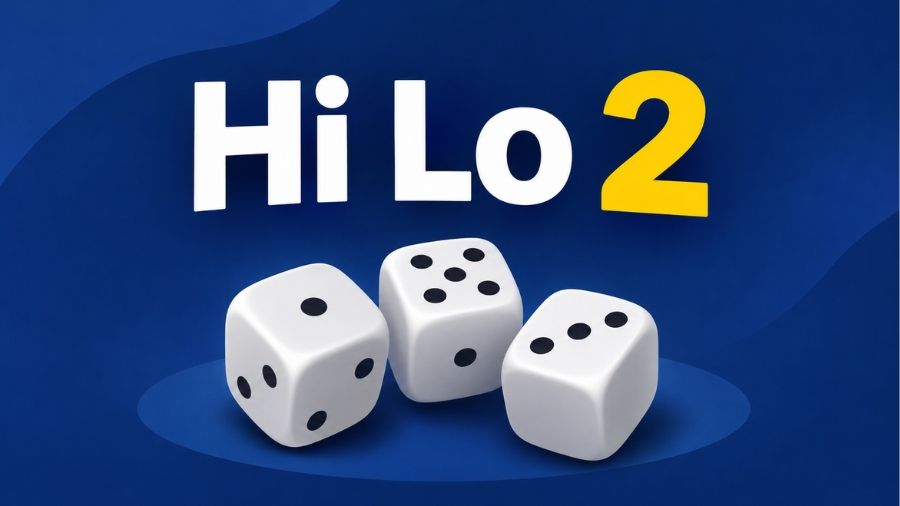
Hi Lo 2 is a digital dice-based game that brings a traditional high-and-low number concept into a modern interactive format. Built around three dice, simple number predictions, and quick rounds, the game offers an easy-to-understand experience for people interested in traditional dice games and digital entertainment. Its straightforward design makes it different from complicated games that require extensive instructions or advanced skills. Understanding how Hi Lo 2 works, where its format comes from, what features it includes, and how random outcomes are determined can help readers become familiar with this increasingly visible digital game format. This guide explores its background, basic mechanics, important features, advantages, limitations, and the things worth knowing before exploring it.
What Is Hi Lo 2?
Hi Lo 2, also known as Thai Hi Lo 2, is a digital adaptation of a traditional Thai-style dice game developed by KingMidas Games. Its central concept revolves around three dice and the possible numerical outcomes produced when they are rolled together. The name describes the basic high-and-low prediction format, in which different results are grouped according to their numerical values. Unlike complex strategy-based games, its fundamental mechanics are relatively simple to understand because the main elements are familiar objects: dice, numbers, and possible combinations. The digital version presents these traditional concepts through an interactive interface, allowing users to follow individual rounds and understand how different combinations are formed. It is primarily recognized as a digital entertainment game rather than a general-purpose mobile application or productivity tool.
The Background Behind the Hi Lo Game Format
Traditional high-and-low games have existed in different forms across various cultures, with dice providing a simple way to generate unpredictable numerical outcomes. Thai Hi Lo is particularly associated with three-dice gameplay, where the combined values and individual dice combinations determine the result of a round. Over time, traditional tabletop formats have been adapted into digital experiences that use animated dice, electronic interfaces, and automated result displays. Hi Lo 2 follows this broader development by presenting a recognizable dice-based format through modern gaming technology. Its connection with traditional Thai Hi Lo gives the game a familiar foundation, while its digital presentation makes the experience accessible through supported online gaming environments. However, the exact historical origins of the individual game and its second-version development are not extensively documented in publicly available official information.
How Does Hi Lo 2 Work?
Hi Lo 2 uses three dice, with each die producing a number between one and six. When all three dice are rolled, their individual values combine to create a total between three and eighteen. The resulting combination forms the central element of each round. Depending on the available game format, different numerical ranges and combinations may have separate outcome categories. The interface displays the dice results so users can understand how the final total is calculated. Some versions also include additional features that introduce variations to the basic experience. Although the interface may make each round appear interactive and visually engaging, the underlying result-generation process is based on random outcomes rather than a predictable sequence. This distinction is important because knowing previous results does not provide a reliable way to determine what the next roll will produce.
Main Features That Make Hi Lo 2 Different
Hi Lo 2 combines a familiar three-dice format with a digital presentation that focuses on simplicity and quick interaction. One of its recognizable characteristics is the use of an automated dice-rolling interface, which removes the need for physical dice and displays results electronically. The game also includes different outcome categories, giving its basic number-based format additional variety. According to the developer’s published game information, the title includes a 2x bonus feature, alongside a listed return-to-player figure of 97 percent. These specifications describe the particular digital game rather than all traditional high-and-low games. Its visual presentation, relatively straightforward rules, and automated rounds distinguish it from tabletop versions, where physical dice and direct interaction between participants form a larger part of the experience.
Three-Dice System
The three-dice system is the foundation of the entire format. Each die has six possible faces, producing 216 equally likely ordered outcomes when all three dice are fair and independent. Adding the three values creates a total ranging from three to eighteen. Some totals occur more frequently than others because several different combinations can produce the same result. For example, a total of ten can be created through multiple arrangements, whereas the lowest and highest possible totals have only one arrangement each. Understanding this mathematical structure helps explain why different numerical outcomes do not necessarily have identical probabilities.
Digital Interface and Presentation
The digital interface makes the game easier to follow without requiring physical equipment. Dice animations, numerical displays, and clearly separated sections help communicate what happens during individual rounds. The exact appearance can vary depending on the platform providing access to the game, so users should not assume every version has identical menus or visual elements. The main advantage of a digital presentation is that calculations and result displays are handled automatically. This allows the experience to remain focused on understanding the dice combinations instead of manually calculating every outcome.
Bonus Feature
Another recognizable element is the 2x bonus feature mentioned in the developer’s game description. This feature introduces an additional variation to the standard dice format by allowing certain qualifying outcomes to receive a doubled result under the game’s stated conditions. Its availability and effect depend on the particular game implementation and the rules displayed by the platform. It is important to distinguish a bonus feature from a guaranteed outcome because an additional game mechanic does not make future dice results more predictable.
Understanding the Mathematics Behind Three Dice
The mathematics behind Hi Lo 2 is relatively straightforward and provides an interesting example of probability in everyday gaming. Since each die has six faces, three dice can generate 216 equally likely ordered combinations if they are fair and independent. However, the resulting totals are not equally likely. A total of three requires all three dice to show one, while a total of ten can occur through several different combinations. This explains why probability distributions are important when studying dice-based games. The mathematical principle is the same regardless of whether the dice are physical or displayed through a digital interface. Understanding probability does not provide a method for predicting an individual random roll, but it does help explain why certain outcomes occur more frequently over a sufficiently large number of trials.
Is Hi Lo 2 Easy for Beginners to Understand?
Hi Lo 2 has a relatively accessible basic format because it uses familiar dice and numerical outcomes rather than complicated controls or lengthy instructions. Someone who understands how three ordinary dice work can quickly understand the central concept. The digital presentation also makes it easier to follow the results because the system displays the numbers automatically. However, understanding the basic rules and understanding every additional feature are two different things. Bonus conditions, platform-specific instructions, and individual outcome categories may require closer attention. Beginners should take time to read the displayed rules rather than relying on assumptions based on other dice games. A simple interface should not be confused with guaranteed results or an absence of uncertainty.
Advantages and Limitations of Hi Lo 2
One advantage of Hi Lo 2 is its relatively simple structure, which makes the basic mechanics understandable without requiring advanced gaming knowledge. Its automated interface also reduces the effort involved in handling physical dice, recording results, and calculating totals. The three-dice format provides enough numerical variation to make each round distinct, while the digital presentation offers a consistent way to display outcomes. On the other hand, the game has limitations that are worth considering. Random results cannot be controlled through observation, and previous rounds do not create a dependable prediction method. Its availability may also depend on the platform, regional restrictions, and device compatibility. Furthermore, its connection with online gaming environments means users should understand the platform’s terms, privacy practices, and applicable local rules before accessing it.
Hi Lo 2 and Traditional Dice Games: What Is the Difference?
The main difference between Hi Lo 2 and traditional physical dice games is how the experience is delivered. Traditional games normally involve actual dice, a physical playing area, and direct participation from the people involved. Hi Lo 2 transfers the central three-dice concept into a digital environment where animations and software handle the rolling and result display. This approach offers convenience and a standardized presentation, but it removes some of the physical interaction associated with traditional gameplay. The digital version can also include additional interface features that are not necessarily part of every traditional variation. Despite these differences, both formats share the same basic mathematical foundation: three dice, six possible faces per die, and a range of combined numerical outcomes.
The Role of Randomness in Digital Dice Games
Randomness is one of the most important concepts to understand when exploring digital dice games. In a physical setting, properly balanced dice produce outcomes according to probability, although real-world factors can influence individual rolls. Digital games use software-based systems to generate outcomes instead of relying on physical movement. The technical implementation depends on the developer and platform, and users should not assume that every system works identically. A properly implemented random number generation process is intended to prevent predictable patterns from determining results. Seeing the same number appear several times does not mean a different number is now guaranteed. Each round should be understood independently unless the published rules explicitly describe a different mechanism.
Things to Know Before Exploring Hi Lo 2
Anyone researching Hi Lo 2 should begin by identifying the exact version and developer because similarly named games may have different mechanics. The title discussed in this article is associated with KingMidas Games, and its developer information identifies three dice and a 2x bonus feature. Users should also understand the difference between a digital demonstration and a version involving real-money transactions. Availability, operating conditions, and additional features can vary between platforms. Where real-money gaming is involved, age requirements, local laws, and financial risks deserve particular attention. It is also sensible to avoid websites that make unrealistic promises about guaranteed results, prediction systems, or methods of controlling random outcomes. Checking the rules and understanding the technology provides a more informed perspective than relying on promotional claims.
Conclusion
Hi Lo 2 represents a modern digital interpretation of a traditional three-dice game format, combining familiar numerical concepts with automated gameplay and interactive presentation. Its main characteristics include three-dice combinations, high-and-low outcomes, digital result displays, and an additional 2x bonus feature. The mathematical foundation makes it an interesting example of probability, while its simple structure helps explain its accessibility to a broad audience. However, randomness remains central to the experience, and no previous result can reliably predict the next one. Understanding its mechanics, digital presentation, limitations, and background provides a balanced overview of Hi Lo 2 as a contemporary form of dice-based entertainment.
FAQs
1. What is Hi Lo 2?
Hi Lo 2 is a digital dice-based game developed by KingMidas Games, featuring three dice, numerical combinations, and a traditional high-and-low format.
2. How many dice are used in Hi Lo 2?
Hi Lo 2 uses three dice, each containing six numbered faces, producing combined totals ranging from three to eighteen.
3. Who developed Hi Lo 2?
Hi Lo 2 is associated with KingMidas Games, a digital gaming developer offering several interactive games based on traditional entertainment formats.
4. Is Hi Lo 2 based on traditional gameplay?
Yes, Hi Lo 2 takes inspiration from traditional Thai high-and-low dice games and adapts their basic mechanics into a digital environment.
5. Does Hi Lo 2 include additional features?
Yes, the developer describes a 2x bonus feature that adds another element to the standard three-dice format.
6. Can previous Hi Lo 2 results predict future outcomes?
No, previous results cannot reliably predict future rolls because individual outcomes are random and do not follow a guaranteed numerical sequence.
Also read: Inbredward